Bryce Canyon Milky Way: Frequently Asked Questions
Honest, specific answers to the questions people actually ask before a night under Bryce Canyon’s dark skies.
Can you see the Milky Way with the naked eye at Bryce Canyon?
Yes, easily. On a clear moonless night Bryce Canyon’s Bortle 1–2 skies (limiting magnitude about 7.4) show the Milky Way as the brightest structure in the sky, with visible dark rifts, star clouds, and core texture. No telescope or binoculars are required, though both add detail. For what the experience actually looks like, see the overview guide.
What time does the Milky Way come out?
The sky must first reach full darkness, which is roughly 80–100 minutes after sunset in summer. The galactic core’s rise time varies by month: around 10 p.m. in May, 9 p.m. in June, and already up at dark from July through September. In early season (February–April) it rises after midnight. The season guide has the full month-by-month table.
When is Milky Way season in Utah?
The galactic core is visible from southern Utah roughly February through October. Prime season is May through September, and June through August offer the best evening viewing, with the core up by the end of twilight. From November through January the core is behind the sun, though the dimmer winter band is still visible.
Do clouds ruin it?
Solid overcast does, but partial clouds often don’t. Under dark skies clouds appear as black silhouettes against the stars and can drift through without ending the night. Southern Utah summers have a high proportion of clear nights, though July–August monsoon afternoons can build storms that usually dissipate after sunset. Build a margin night into your trip if you can.
How much does the moon matter?
More than anything else. A full moon brightens even Bryce’s sky to roughly suburban levels and washes out the core. Plan within about 4–5 days of a new moon, or pick nights when the moon is below the horizon during your viewing hours. Approximate 2026 new moons in season: June 14, July 14, August 12, September 11 — details and tactics in the moon phase guide.
Is the Milky Way as colorful as in photos?
No. Cameras accumulate light for many seconds and reveal colors human night vision cannot. To the naked eye the Milky Way is a silvery, textured band with dark lanes and bright star clouds. At Bryce it is dramatic and obviously structured, but expect grayscale grandeur, not pink nebulae. If you want the colorful version too, the photography guide shows how even a phone can capture it here.
Where in the park is the best viewing spot?
Any main amphitheater rim viewpoint with an open southern and southeastern horizon. Inspiration Point, Sunset Point, and Sunrise Point all put the rising galactic core over the hoodoos in summer; the southern scenic-drive overlooks offer quieter, higher-elevation skies. Full breakdown in the viewpoint guide.
Do I need a telescope?
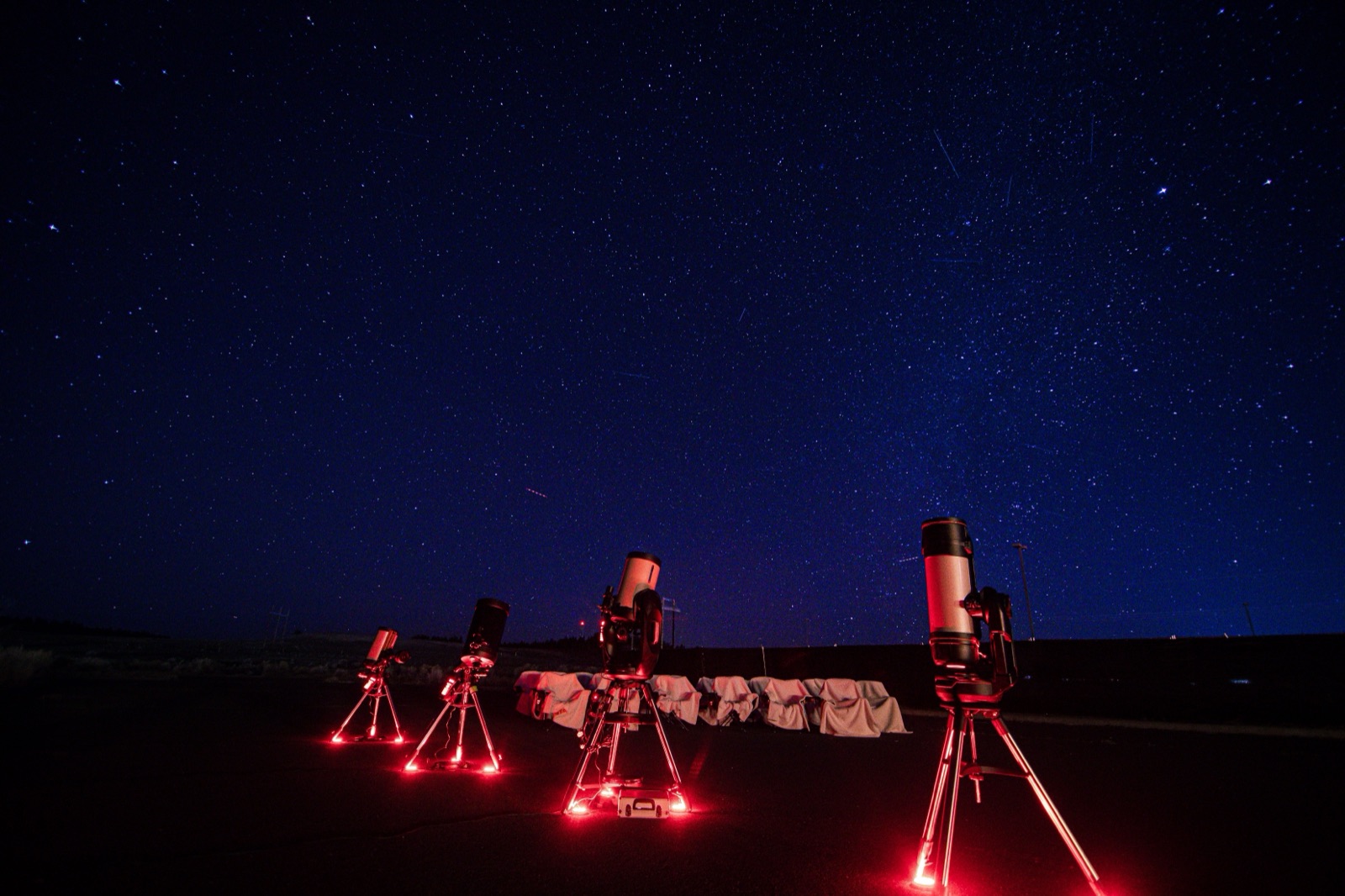
No. The Milky Way itself is a naked-eye, wide-field object; a telescope actually shows too small a slice of it. Telescopes shine for the objects inside and near the band — star clusters, nebulae, and planets. Guided tours typically combine naked-eye viewing with telescope targets for exactly this reason.
How cold does it get at night?
Colder than most visitors expect. The rim sits at 8,000–9,100 feet, and even July and August nights commonly drop into the 40s Fahrenheit, with spring and fall nights at or below freezing. Bring a warm jacket, hat, and layers regardless of the daytime forecast.
Is it worth it with kids?
Yes — it is often the most memorable part of a family trip. Children’s eyes dark-adapt quickly. The practical considerations are the late hour in midsummer (true darkness after 10 p.m. in June), the cold, and staying well back from unlit rim edges. September’s earlier darkness is the most kid-friendly window.
Do I need a permit to stargaze at night?
No special permit is needed to visit viewpoints at night; the park is open 24 hours and standard entrance fees apply. Commercial guided tours operate under their own arrangements. Always check current park alerts for any closures before heading out at night.
Why book a guided tour instead of going alone?
Guides handle the variables that most often disappoint first-timers: timing around moonrise and twilight, choosing the night’s best location, telescopes and dark-sky knowledge, and safe navigation of unlit terrain. You can absolutely stargaze on your own at Bryce; a guide raises both the floor and the ceiling of the experience. Background on what darkness levels actually change is in the Bortle scale guide.
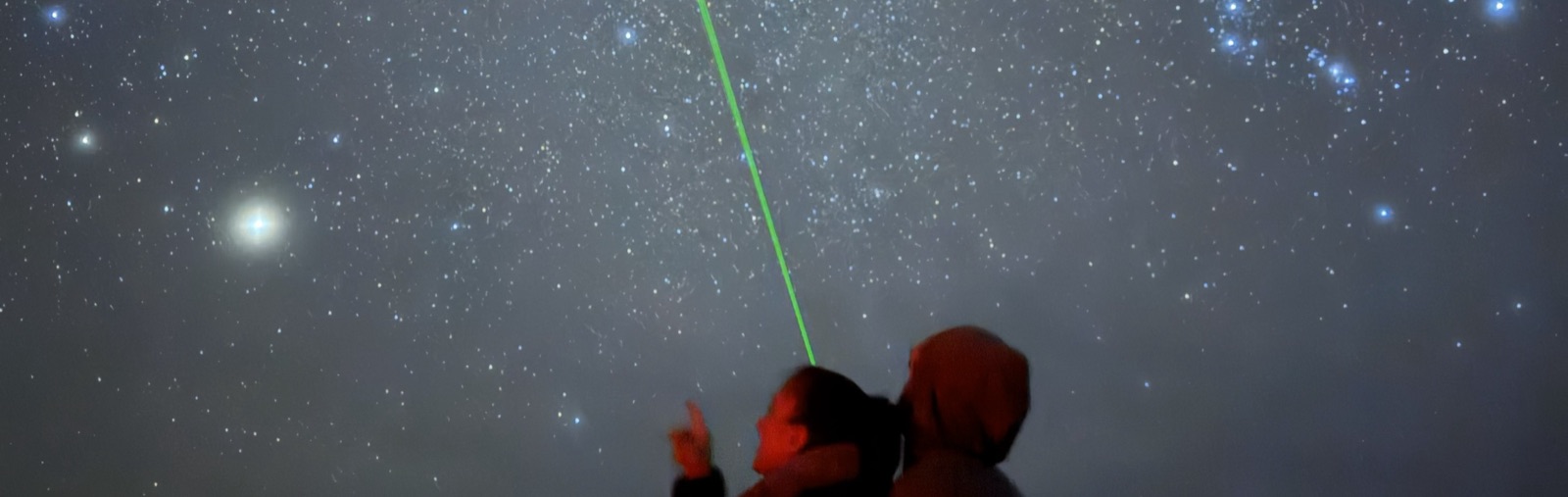
Still have questions? Ask a guide in person
Bryce Canyon Stargazing’s local guides answer all of these under the real thing — with telescopes pointed at it.
Book a Stargazing TourPlan the rest of your night
Start with the season guide, lock dates with the moon phase guide, then choose your viewpoint with the where-to-see-it guide.