Where to See the Milky Way at Bryce Canyon
The galactic core sits in the southern sky from Utah, so the best viewpoints are the ones with an open look south over dark terrain. At Bryce, that means the amphitheater rim — and it is hard to do better anywhere on Earth.
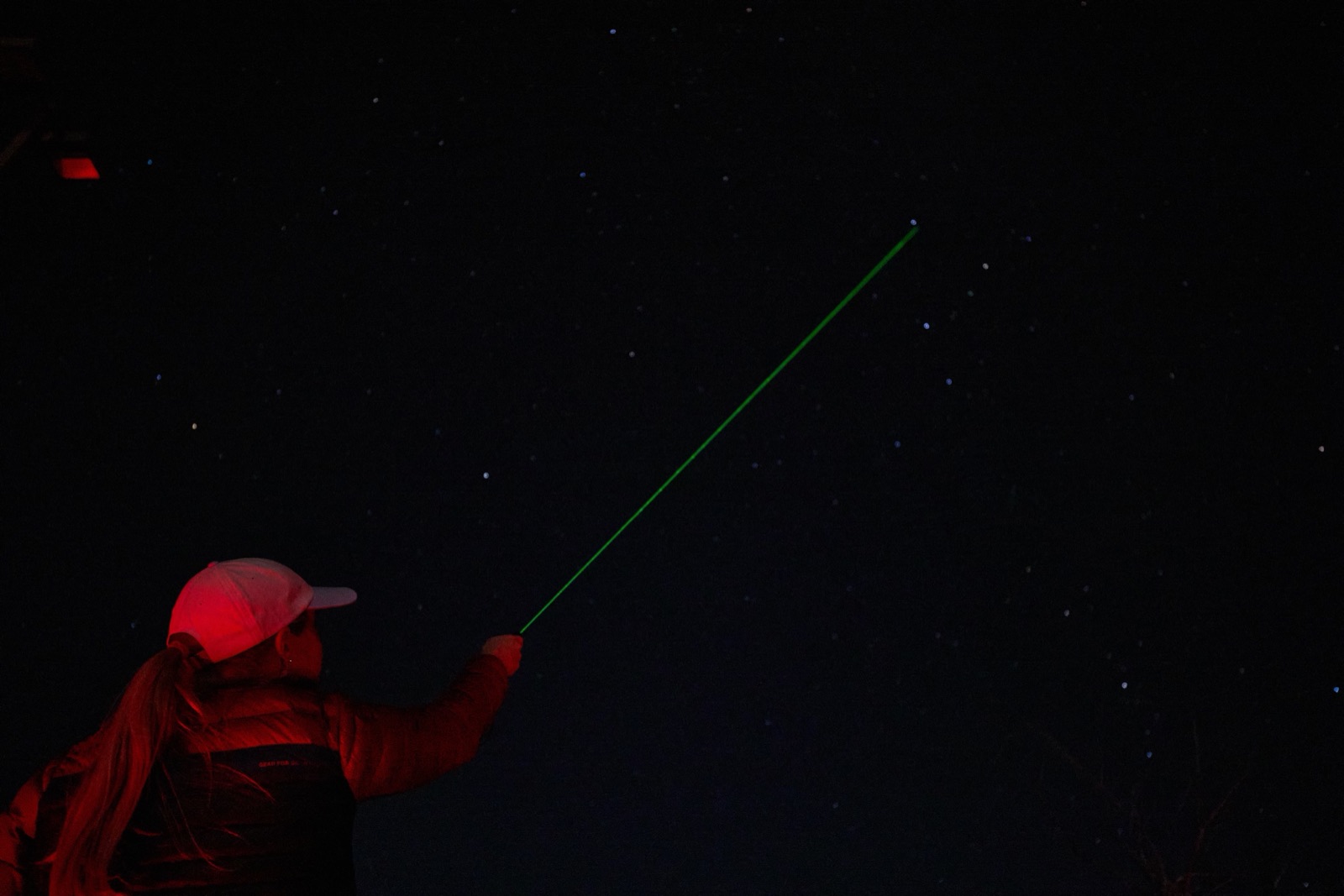
The one rule: face south
From Bryce’s latitude (about 37.6°N), the Milky Way core rises in the southeast, arcs across the southern sky reaching roughly 20–25 degrees above the horizon, and sets in the southwest. The full band stretches far higher overhead, but the bright core — the part you came for — stays south. So you want a viewpoint where the southern horizon is open, dark, and ideally has dramatic foreground below it.
Bryce’s main amphitheater rim runs roughly north–south along the plateau edge, with the hoodoo amphitheater opening to the east and southeast — which is exactly where the core rises in early summer evenings. Watching the galactic core climb out of the hoodoos is the signature Bryce experience.
Best rim viewpoints for the core
Inspiration Point
The classic. Three terraced overlooks above the densest section of the amphitheater, with a wide southeast-to-south aspect that catches the core rising directly over the Silent City hoodoos. The upper level adds elevation and an even wider horizon. Short, steep paved walk from parking — bring a red light for the path.
Sunset Point
Easy, flat access from parking and a broad east-southeast view over Thor’s Hammer and the main amphitheater. Because it is the most accessible rim viewpoint, it is the most common choice for casual stargazers — arrive dark-adapted and step away from arriving headlights.
Sunrise Point
A few minutes’ walk north of Sunset Point with a similar amphitheater aspect and typically fewer people at night. The rim trail between Sunrise and Sunset is paved and gentle — a good way to find your own quiet stretch of railing.
Bryce Point
The southern anchor of the amphitheater and the highest of the main overlooks. Its aspect bends more to the north and east of the amphitheater, but the elevated, open sky here is superb, and late in the season it gives a long view of the core sinking toward the southwest.
Farther south: Swamp Canyon to Rainbow Point
The 18-mile scenic drive’s southern overlooks sit above 9,000 feet with very dark southern horizons and almost no nighttime traffic. Less hoodoo foreground than the main amphitheater, but maximum sky. Check seasonal road status before driving south at night.
Wherever you stand: the rim is unlit and unfenced in many places, edges are abrupt, and nighttime temperatures at this elevation drop into the 40s even in midsummer. Use a red light, keep well back from the edge, and give your eyes 20–30 minutes to adapt.
Or let a local guide pick the spot for you
Bryce Canyon Stargazing’s guides choose the night’s location based on core position, moon timing, and conditions — and bring telescopes to go deeper than the naked eye.
Book a Guided Night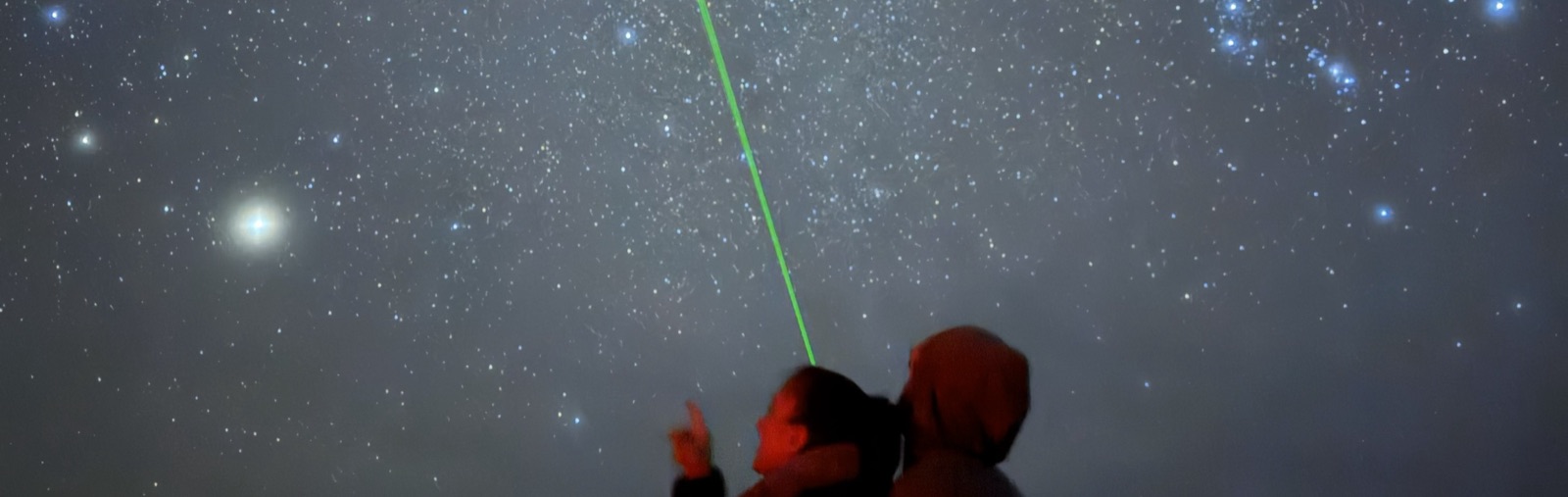
Bryce vs. other Utah Milky Way spots: an honest comparison
Utah is the densest cluster of certified dark-sky places on the planet, and several parks can show you a magnificent Milky Way. Here is how the big three genuinely compare:
| Park | Sky quality | Foreground | Practicality |
|---|---|---|---|
| Bryce Canyon | Bortle 1–2, limiting magnitude ~7.4; high elevation thins the atmosphere | Hoodoo amphitheater opening southeast, directly under the rising core | Viewpoints minutes from parking; lodging at the park edge; guided night tours available |
| Capitol Reef | Comparable darkness; superb | Cliffs and domes; iconic compositions require more driving and hiking | More remote; fewer services; viewpoints more spread out |
| Canyonlands | Comparable darkness; superb | Vast canyon systems; famous arch foregrounds involve night hikes | Most remote of the three; long drives between districts; minimal services |
The honest summary: if your goal is a multi-day backcountry astrophotography expedition, Capitol Reef and Canyonlands reward the effort. If your goal is to stand under the Milky Way core above a one-of-a-kind foreground, within a short walk of your car, with guided options, Bryce is the clear pick. No other dark-sky park puts geology like the amphitheater directly beneath the rising core with this little friction.
Make the night work
A great spot only pays off on a dark night: check the moon phase guide before fixing dates, and the season guide for when the core is up at the hour you plan to be out. If you are bringing a camera or just a phone, the photography guide covers the settings, and the FAQ answers the common practical questions — parking, cold, clouds, and kids.
The rim after dark, without the guesswork
Guides handle navigation, timing, and telescopes — you handle looking up. Tours meet near the park and run through Milky Way season.
Reserve Your Spot